Nature Museum Los Yebenes: Independent Guide
An independent guide to the hunting and nature museum in Los Yebenes, in the Toledo Mountains of Spain.
Introduction to the Museum and Its Collection
Los Yebenes is a municipality in the province of Toledo, in the heart of the Montes de Toledo, an area of Mediterranean woodland where big-game hunting and rural life have shaped the landscape and local customs for generations. The hunting and nature museum this guide is about sits in that setting. Its name brings together two subjects that are easier to understand side by side: hunting as an activity, and knowledge of the animals and habitats it depends on.
This page is a general introduction. It is not the official website of the museum or of any association, it does not sell tickets or arrange visits, and it does not describe specific objects in the collection. It offers context instead: what a museum of this kind usually shows, how to read a taxidermy display, and short explainers on related species and topics such as the markhor or the polar bear claw.
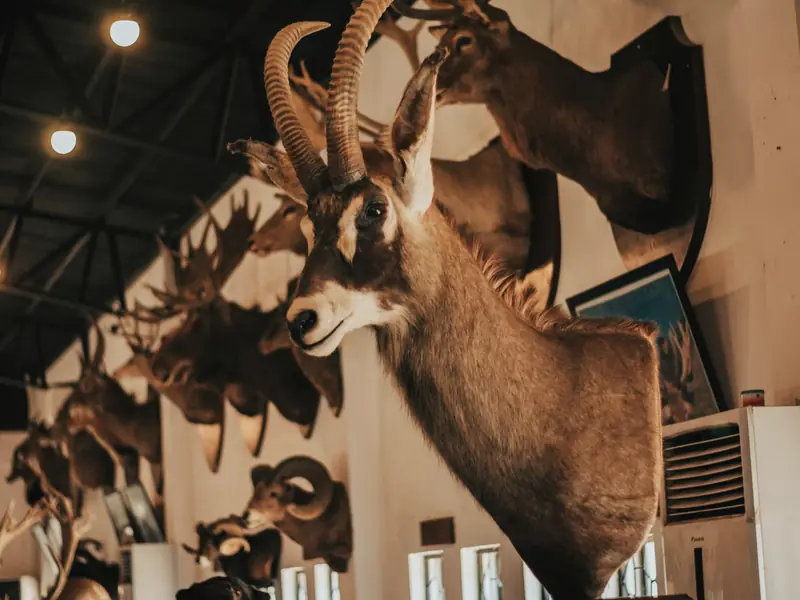
A hunting and nature collection typically combines three kinds of material: mounted specimens of wildlife, objects tied to hunting practice (gear, old firearms, documents) and panels explaining ecology and conservation. The value of the whole depends less on the number of pieces than on the information that goes with each one: species, origin, date and context.
History of the Museum and Its Founding
Hunting and natural history museums have a long past in Europe. Many began as cabinets of curiosities and private collections kept by hunters and naturalists, and over time they moved towards education and conservation. Showing a trophy is no longer enough; visitors expect to learn where it came from, which species it is and what is happening to its populations today.
For concrete facts about this particular museum, such as its founding date, ownership or collection milestones, the right sources are the museum itself or the local authority of Los Yebenes. This guide prefers to point to those sources rather than repeat dates of doubtful origin.
Permanent and Temporary Exhibitions
In nature museums, permanent exhibitions usually arrange wildlife by environment (Mediterranean woodland, high mountains, wetlands) or by theme (adaptations, tracks, food chains), while temporary ones focus for a few months on a single subject: a species, a trade, a conservation technique. It is best to ask the museum what is on display at any given time.
In the meantime, this guide offers two kinds of explainer that help prepare a visit to any museum of this type: species profiles and profiles of objects commonly found in hunting collections.
Species profiles
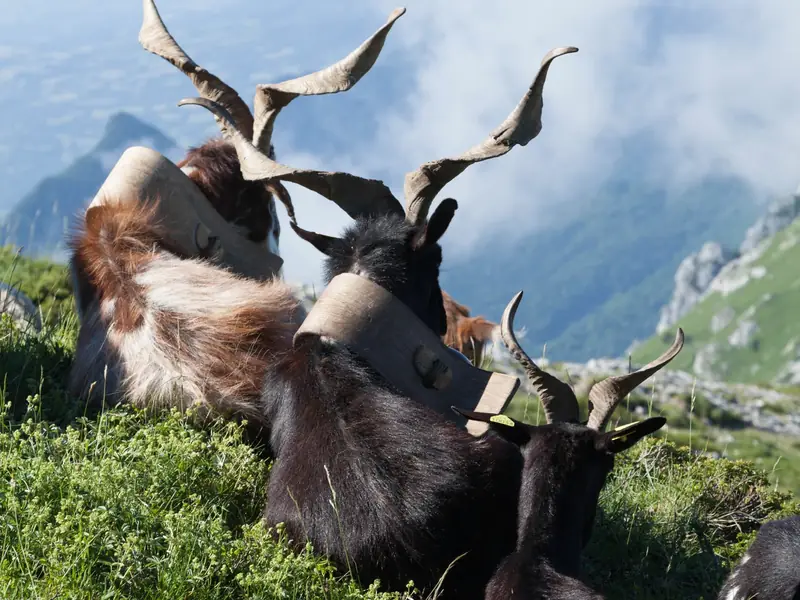
A mountain animal with spiral horns, explained calmly: appearance, habitat, protection and culture.
Read the markhor profile
Object profiles
What a polar bear claw means in a nature collection and what the law says about it.
Read the claw profileVisitor Information
Opening hours, prices and access conditions change with the season and current rules, so this guide does not publish them. Always check the museum's official channels or the local tourist office before travelling. A few general ideas help: comfortable shoes if the visit includes walks in the countryside, water in summer, and a prior enquiry if you travel with a group or need specific access arrangements.
People searching online often type "hunting museum los yebenes" or "nature museum los yebenes" without the accent. It is worth checking that the page you are reading is the official one and not an independent guide like this.
What are the museum's opening hours?
This guide does not publish opening hours because they change with the season. Current information can only come from the museum through its official channels.
What can I see at the museum?
A hunting and nature museum typically shows mounted wildlife, objects from hunting tradition and panels on conservation. For the exact content of the current exhibition, ask the museum.
Is the museum accessible for visitors with reduced mobility?
We have no official accessibility data, so the sensible step is to ask the museum before your visit about ramps, lifts and adapted routes.
Audio guide
This guide does not include an audio guide or downloadable material. If the museum offers one, only its official information can confirm it.
Catalogue
The profiles on this site make up a small educational catalogue: species such as the markhor and objects such as the polar bear claw.
Hunting and Nature in Los Yébenes
The Montes de Toledo combine dehesa pastures, holm oak woods, rockrose scrub and low mountain ranges. This is red deer, wild boar and roe deer country, and home to birds of prey such as the Spanish imperial eagle and the black vulture, which find some of their best refuges in the region. In recent years, Iberian lynx reintroduction programmes have also included this landscape. Cabaneros National Park, nearby, is the best known example of how this kind of woodland is protected.
Hunting has been part of the economy and social life of these villages for centuries, and today it coexists with conservation: estate management, population control and health monitoring are all subjects of public debate. A hunting and nature museum is a good place to look at that debate calmly and with data.
Gallery
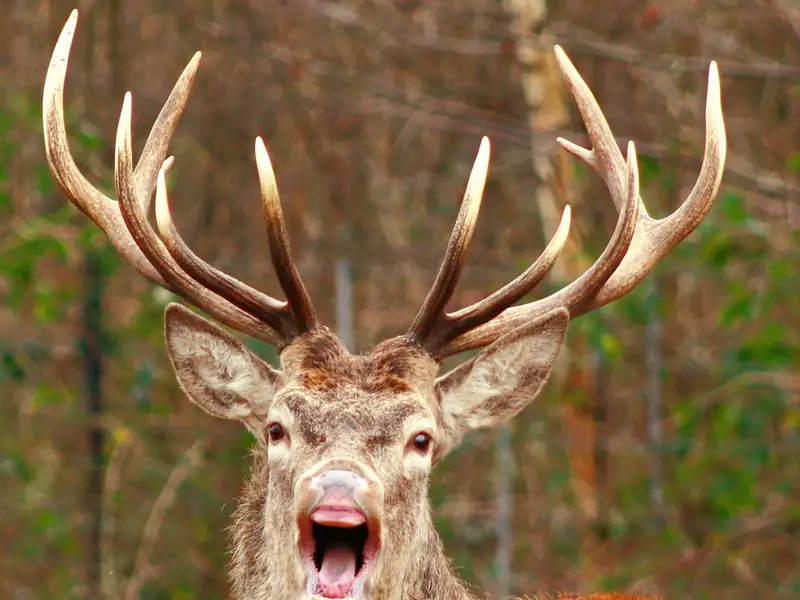
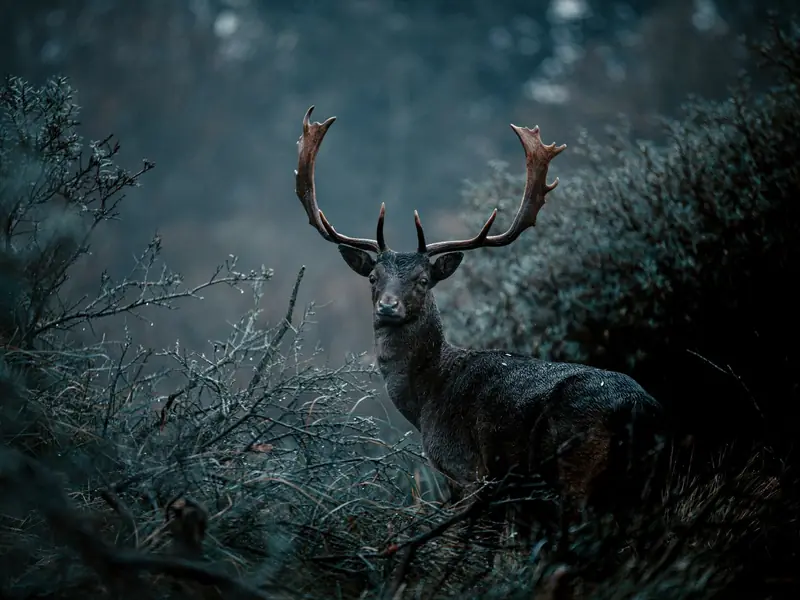
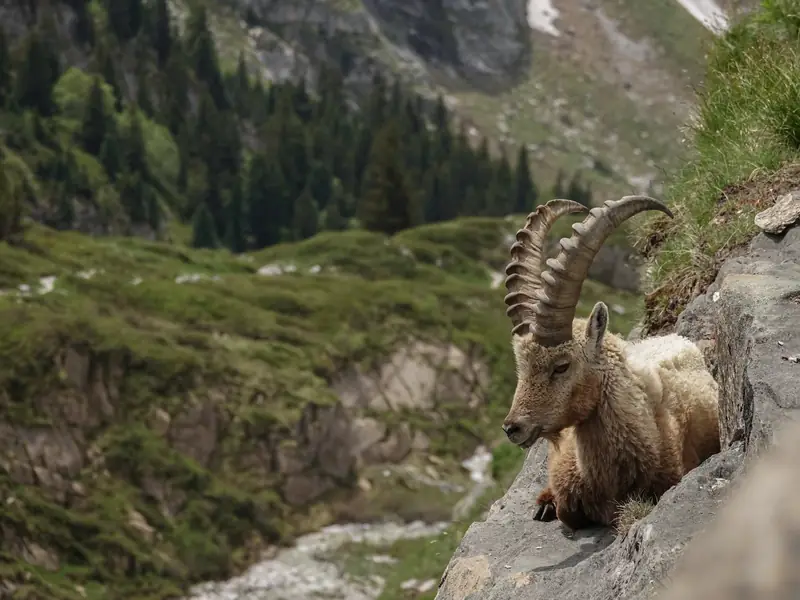
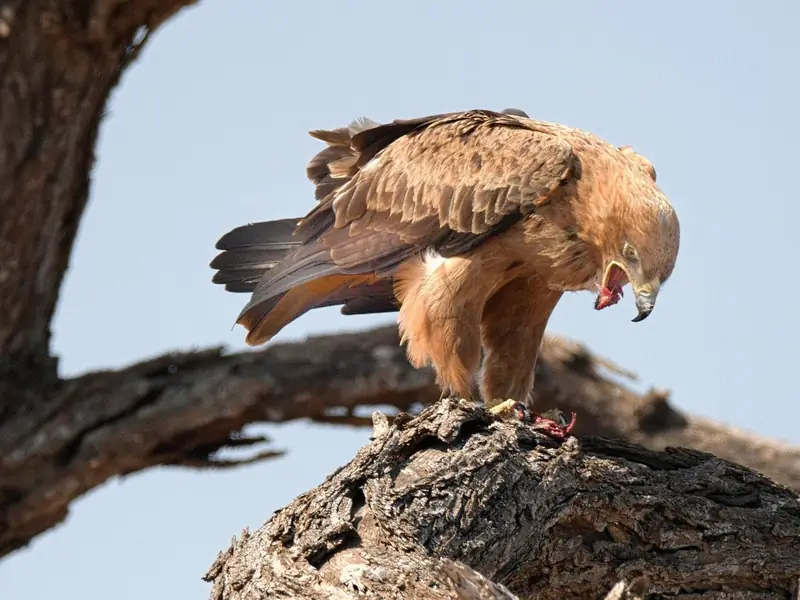
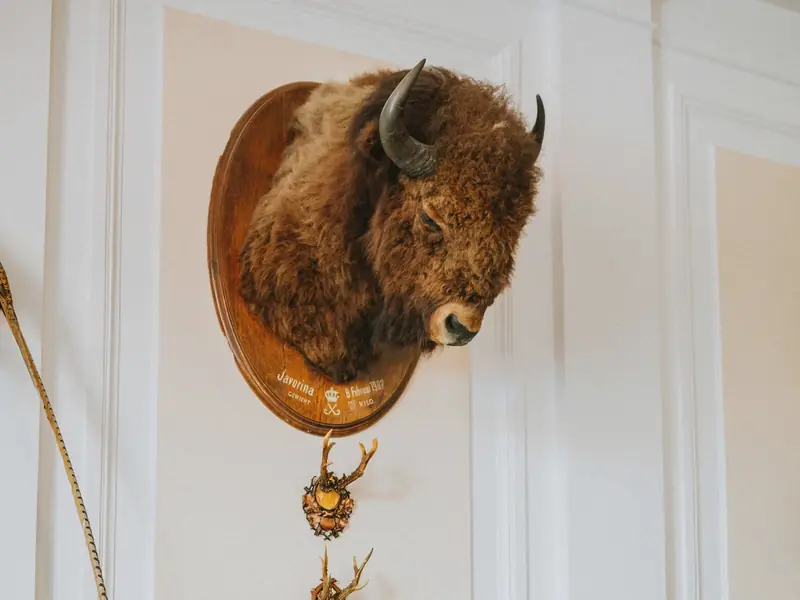
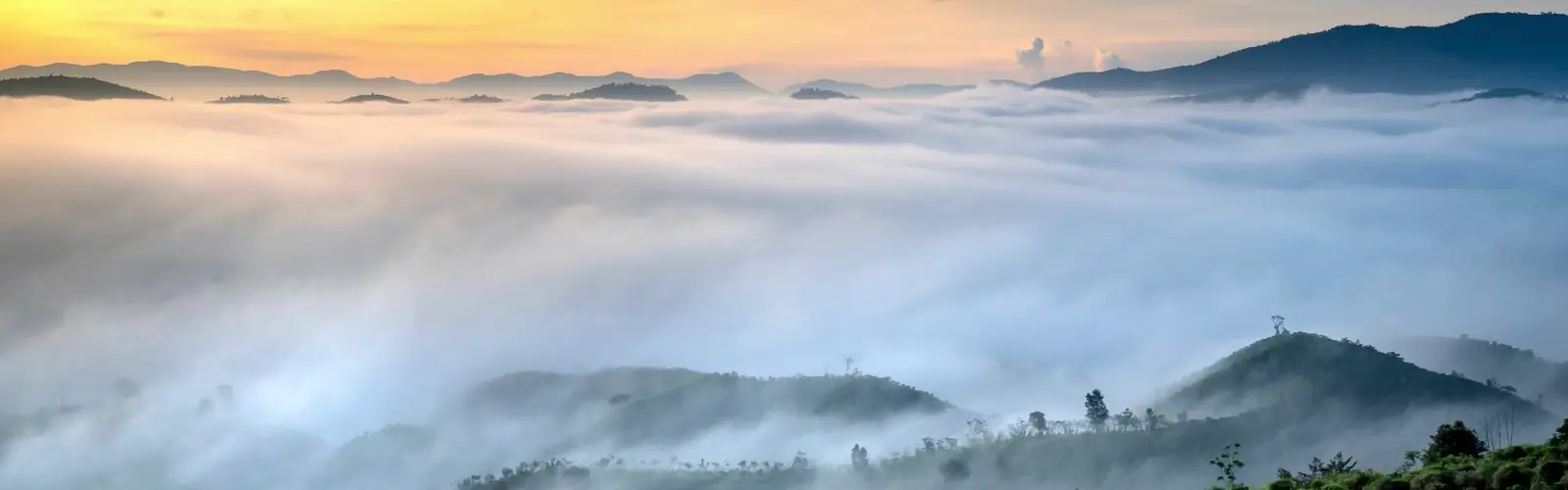
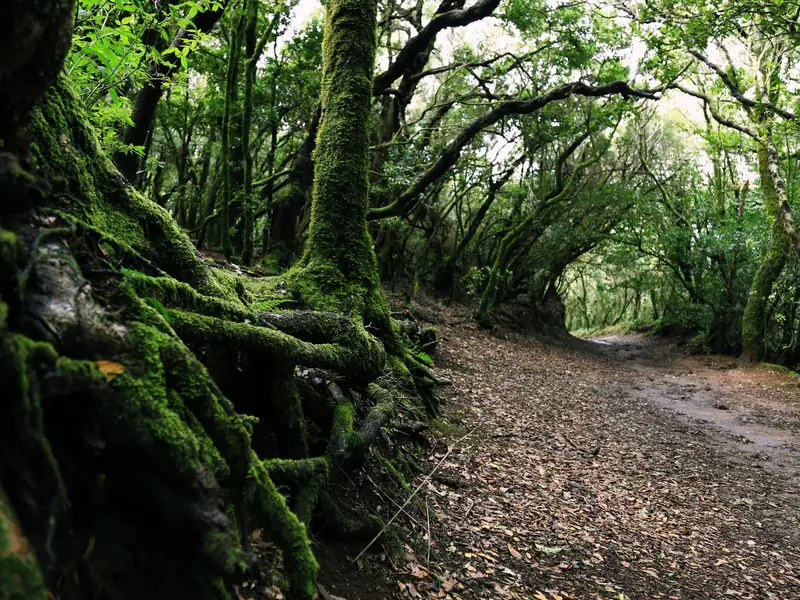
Royalty-free archive photographs of wildlife and mountain scenery; they are not pieces from the museum.
Educational and Cultural Activities
Museums of this type commonly offer guided tours, workshops for schoolchildren, talks about wildlife and days devoted to traditional trades. If you are looking for a specific activity, the most reliable source is the museum's own calendar, because programmes change every school year.
Getting There and Surroundings
Los Yebenes is in the south of the province of Toledo and can be reached by road from Toledo and from Ciudad Real. Before setting out, check an up-to-date map and official directions. The surroundings are well suited to combining a visit with walks in the Montes de Toledo and a stroll through the village, with its La Mancha architecture.
Contact the editorial team
For questions or corrections about this guide, write to the editorial team. We cannot answer enquiries about the museum's hours or bookings.