An introduction to the wildlife of the Toledo Mountains, in the centre of the Iberian Peninsula: its most representative species, the habitats that sustain them and why their conservation matters. This is an independent educational article.
Introduction to the Toledo Mountains
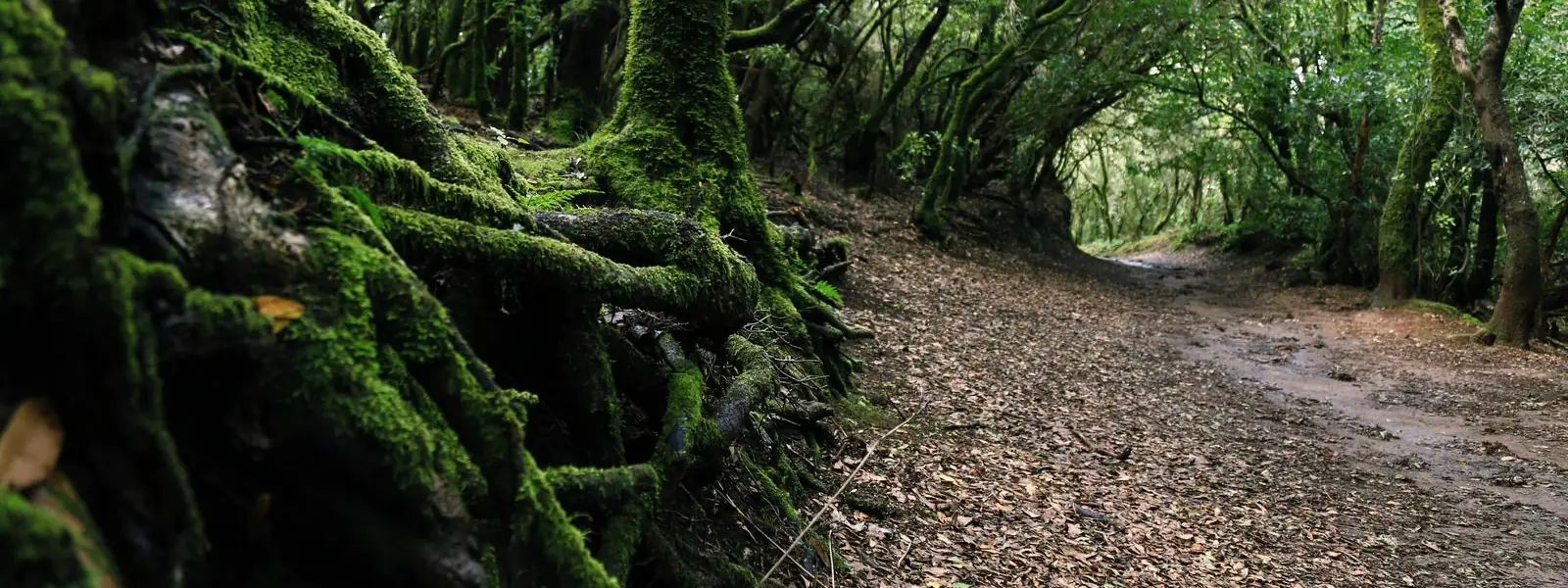
The Montes de Toledo are a set of mid-altitude ranges between the Tagus and Guadiana basins. Mediterranean woodland and scrub dominate (holm oak, cork oak, Portuguese oak and rockrose), alongside dehesa pastures and plains. This mosaic sustains a rich fauna, with Cabaneros National Park as its best-known natural area.
Emblematic Mammals
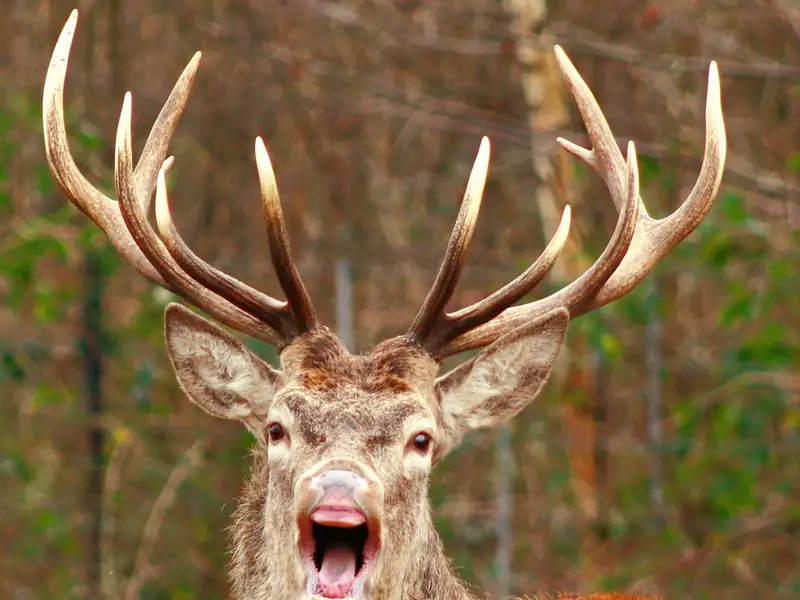
Among the mammals, red deer and wild boar stand out as the main big-game species, together with fallow deer, roe deer and mouflon. The Iberian lynx, the most endangered cat in the world, has returned to the area thanks to reintroduction programmes. Carnivores such as the Egyptian mongoose, fox, badger and genet are also present, with otters in the rivers.
Birds of Prey and Other Birds
The Toledo Mountains are a key refuge for large raptors. The Spanish imperial eagle, black vulture, golden eagle and griffon vulture breed here, along with Bonelli's eagle. In woodland and scrub the Iberian magpie, partridges, warblers and woodpeckers are common, and reservoirs and rivers host various water birds.
Reptiles and Amphibians
The Mediterranean climate favours reptiles such as the Montpellier snake, the ocellated lizard and the Mediterranean pond turtle. Amphibians include the Iberian spadefoot toad, the European tree frog and several newts and salamanders, tied to seasonal pools and streams that are increasingly valuable.
Protected and Endangered Species
Several species in the area are protected. The Iberian lynx and the Spanish imperial eagle, both Iberian endemics, have moved from the brink of extinction towards a slow recovery. The black vulture also depends on the conservation of its colonies. Habitat loss, poisoning and road deaths remain real threats.
Importance of Conservation
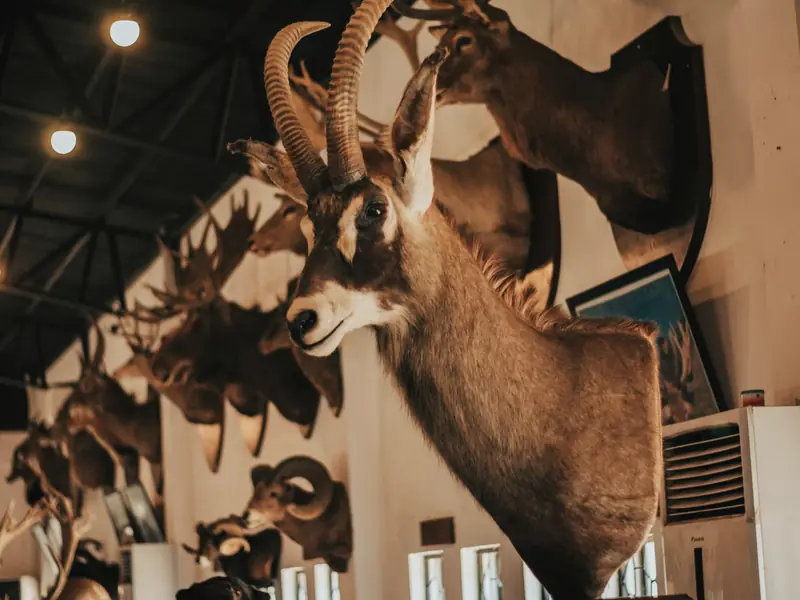
Conserving this wildlife matters beyond any single species: large predators and scavengers regulate populations and keep the ecosystem healthy. Areas such as Cabaneros, the European Natura 2000 protection network and responsible land management are key tools, and education, including from nature museums, helps explain why.
Routes for Wildlife Watching
Cabaneros National Park offers routes and viewpoints for watching wildlife, especially during the red deer rut in autumn. It is best to go at dawn or dusk, keep your distance, avoid disturbing the animals and always follow the park's trails and rules. The visitor centres advise on the best seasons and routes.
Frequently Asked Questions
What animals can be seen in the Toledo Mountains?
Red deer, wild boar, fallow and roe deer, large raptors such as the Spanish imperial eagle and the black vulture, and, with luck and from a distance, the Iberian lynx, plus many birds and reptiles.
Are there endangered species in the area?
Yes. The Iberian lynx and the Spanish imperial eagle, among others, are threatened and the subject of conservation programmes, although their situation has improved in recent years.
What is the best time to observe wildlife?
Autumn, during the red deer rut, is very popular. In general, dawn and dusk are the best times, always keeping your distance and following local rules.
Good to know
This is a general educational article. To watch wildlife, always check the rules and recommended seasons of Cabaneros National Park and the area's protected spaces.